B1 · 3 dk okuma · 295 kelime ·
The Story of the Kite
Uçurtmanın Hikâyesi
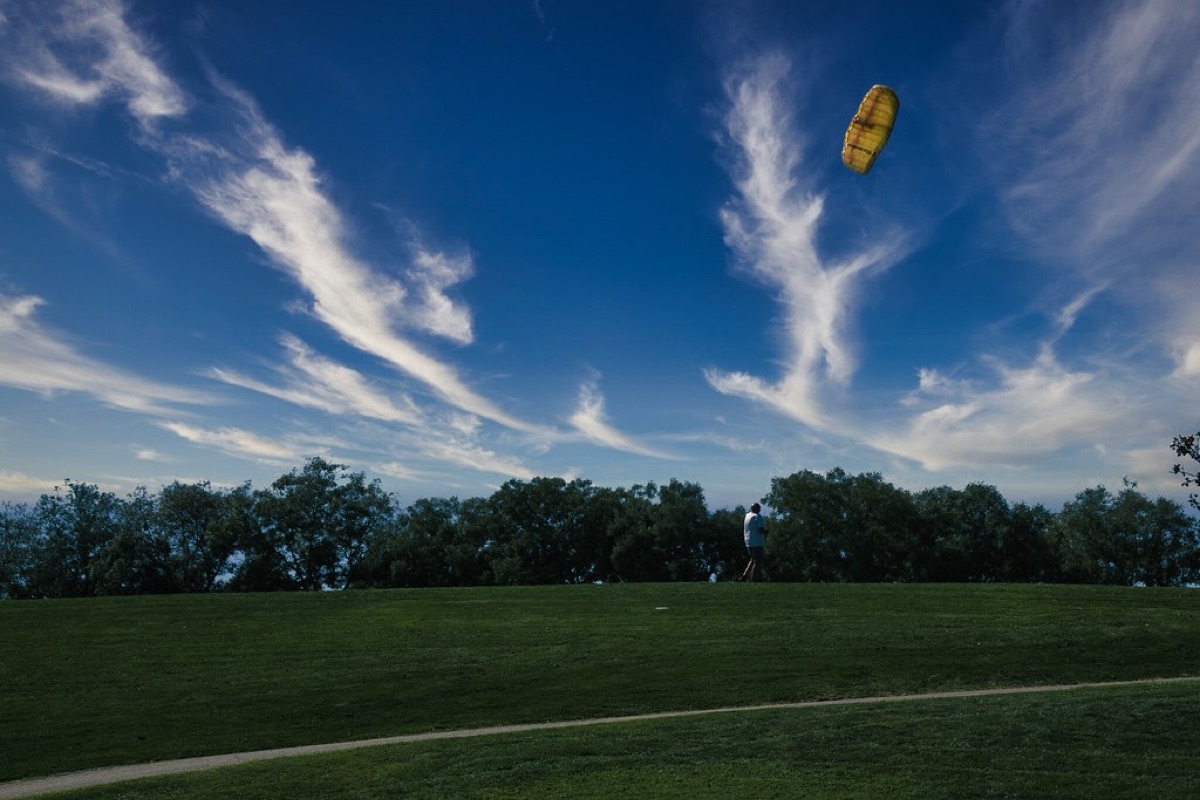
Görsel: Nor_Photo (CC0), flickr
önce İngilizcesini oku
On a windy spring day, children in parks all over Turkey run across the grass, pulling colorful kites behind them.
Flying a kite seems like a simple game, but kites have a long and surprising history.
For centuries, they were used not only for fun, but also for science and for sending messages.
Most historians believe that the first kites were made in China more than two thousand years ago.
They were made of silk stretched over a light frame of bamboo, two materials that were easy to find there.
Later, when paper became cheaper, people began to make kites from paper, and the idea spread to Korea, Japan, India and beyond.
In some places, kites carried signals between groups of people who were far apart, and builders even used them to pull ropes across rivers.
Kites also helped scientists to learn about the sky.
In 1752, the American Benjamin Franklin flew a kite in a storm in order to show that lightning is a form of electricity.
It was an extremely dangerous experiment, and nobody should ever try to repeat it.
In the late nineteenth century, weather scientists sent kites high into the air with instruments that measured temperature and wind.
The Wright brothers also tested their ideas with large kites before they built their first airplane.
A kite flies because the wind pushes against its surface, and the string holds it at an angle so that the air lifts it up.
A long tail helps to keep it steady, so it does not spin in circles.
Today, kite festivals are held in many countries, and giant kites shaped like fish, dragons and birds fill the sky.
All you need to join the fun is a light wind, an open field and a little patience.
Arkadaşınla paylaş
Bu yazıdaki gramer
Metinde gördüğün yapıları ücretsiz derslerle öğren.
Ücretsiz test
İngilizce seviyeni 5 dakikada öğren
Ücretsiz gramer testi: hangi derslerden başlaman gerektiğini söyler.
Testi çöz