B1 · 3 dk okuma · 282 kelime ·
The Story of the Typewriter
Daktilonun Hikâyesi
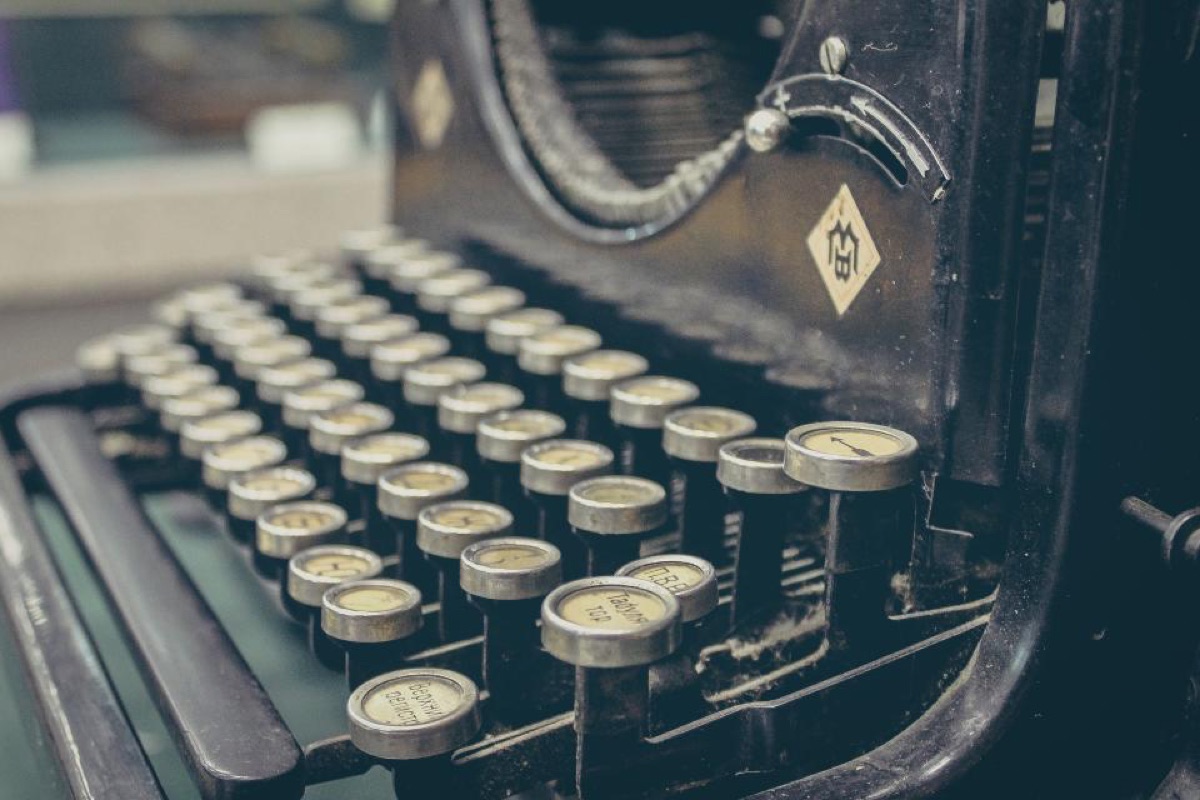
Görsel: Sergey Zolkin (CC0), stocksnap
önce İngilizcesini oku
Before computers, if you wanted a letter to look clean and professional, you had to use a typewriter.
Each key on a typewriter moved a small metal arm, which hit an ink ribbon and printed a letter on the paper.
The sound of busy typewriters used to fill offices all over the world.
People tried to build writing machines for more than a hundred years, but the first successful one went on sale in the United States in 1874.
It was designed mainly by an American named Christopher Latham Sholes.
At first, the machine only printed capital letters, and the person who was typing could not see the words until the paper came out.
Sholes also chose the order of the letters that we still see on most keyboards today, starting with QWERTY.
He probably arranged the keys this way so that the metal arms of letters used together often would not get stuck.
The typewriter changed the world of work.
Offices could produce documents much faster, and many new jobs were created for typists, a large number of whom were women.
Writers liked it too, and some of them began to send their books to publishers in typed form.
Turkey has its own interesting typewriter story.
The QWERTY order was not ideal for Turkish, so in 1955 a Turkish teacher studied which letters appear most often in Turkish words.
Based on his research, he designed a new layout, the F keyboard, which put the most common letters under the strongest fingers.
Turkish typists using it later won several world speed championships.
Today, few people use typewriters, but their legacy is still in our hands every time we type on a computer or phone.
Arkadaşınla paylaş
Bu yazıdaki gramer
Metinde gördüğün yapıları ücretsiz derslerle öğren.
Ücretsiz test
İngilizce seviyeni 5 dakikada öğren
Ücretsiz gramer testi: hangi derslerden başlaman gerektiğini söyler.
Testi çöz