B2 · 4 dk okuma · 547 kelime ·
The Ottoman Coffeehouse
Osmanlı Kahvehanesi
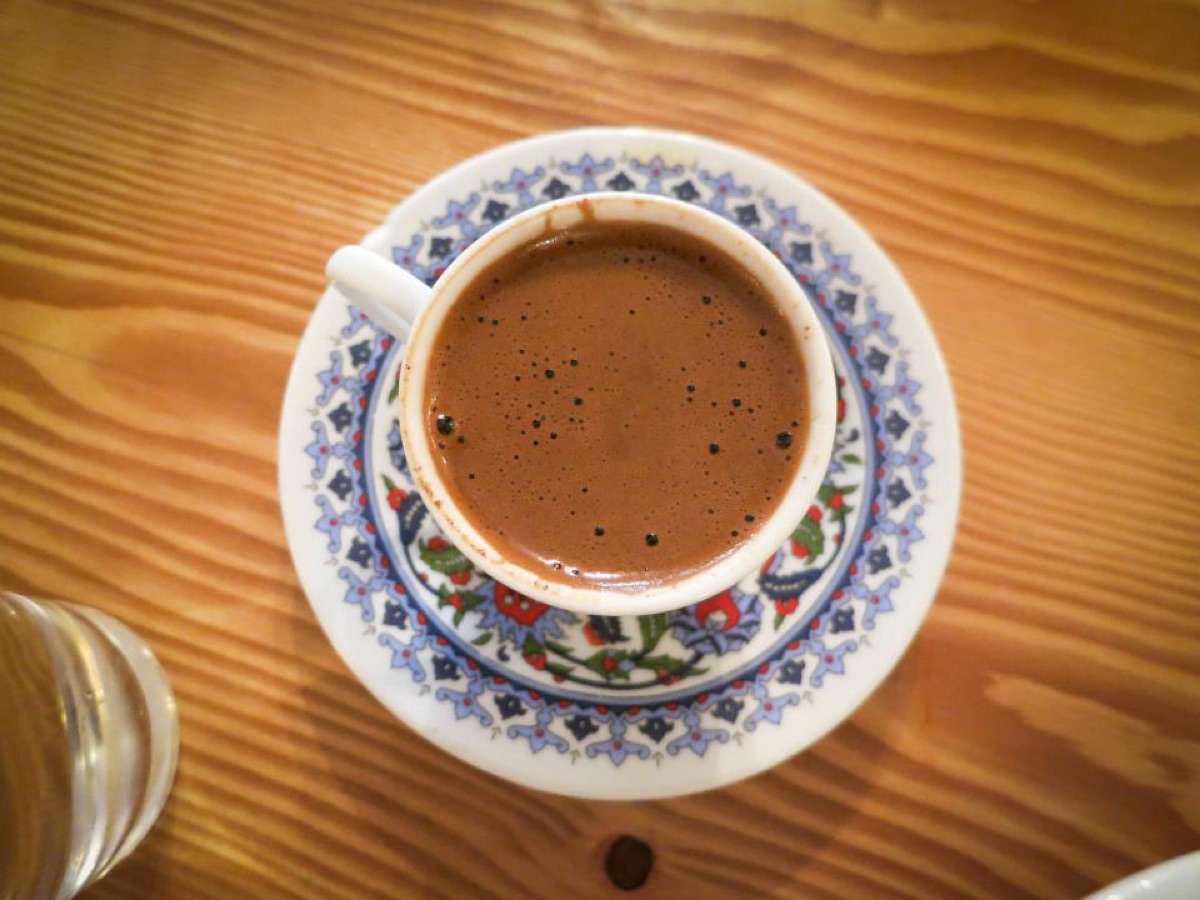
Görsel: Travel Coffee Book (CC0), stocksnap
önce İngilizcesini oku
There is an old Turkish saying that a single cup of coffee is remembered for forty years.
It shows how closely coffee has been connected to friendship and conversation in Turkish culture.
Much of that connection began in a new kind of meeting place that appeared in Istanbul almost five hundred years ago: the coffeehouse.
Coffee probably came to Istanbul from Yemen in the first half of the sixteenth century.
According to a well known account, the first coffeehouse in the city was opened around 1555 by two merchants from Damascus and Aleppo, near the busy harbor.
It quickly became popular, and soon there were hundreds of coffeehouses all over the city.
At first, most customers came from the city's educated classes, but soon people from every part of society were visiting them.
What made these places special was not only the drink, but the atmosphere.
Many coffeehouses had a view of the sea or stood in the shade of a large tree, and in summer the customers sat outside.
Men from very different backgrounds, from teachers and poets to sailors and shopkeepers, would sit together on low benches and talk for hours.
They would play backgammon and chess, read poems aloud and discuss the news of the day.
Storytellers called meddah entertained the crowd with long, funny stories, imitating different voices and accents, and in the evenings there were sometimes shadow puppet shows.
Some coffeehouses belonged to particular groups, such as sailors, firefighters or craftsmen, who met there regularly.
Because people learned so much there, the coffeehouses were sometimes called "schools of the wise."
The coffee itself was prepared in a special way that is still used today.
The beans were roasted and ground into a very fine powder, then slowly cooked with water, and sugar if wanted, in a small pot called a cezve.
Traditionally, the pot was heated slowly in hot sand, which warmed it gently and evenly.
A good cup has a thick layer of foam on top, and it is traditionally served with a glass of water and often a piece of Turkish delight.
Each guest is asked how much sugar they want before the coffee is made, because sugar cannot be added afterward without ruining the foam.
The grounds settle at the bottom of the cup, and some people still turn the cup upside down afterward to "read" the shapes for fun.
From Istanbul, coffeehouses spread to Europe in the seventeenth century, and some of the first ones opened in Venice and London around the middle of the century.
There, too, they became lively places where people exchanged ideas, did business and read newspapers.
In Vienna, coffeehouse culture became so famous that it is now recognized as part of the city's cultural heritage.
In 2013, Turkish coffee culture and tradition were added to UNESCO's list of the intangible cultural heritage of humanity.
Today, the traditional coffeehouse, or kahvehane, can still be found in almost every Turkish town, even if many people now drink tea there more often than coffee.
For many men in small towns, it is still the place to meet neighbors, hear the latest news or simply rest after work.
The spirit of the old coffeehouse lives on wherever friends sit down together, order two small cups and take their time.
Arkadaşınla paylaş
Bu yazıdaki gramer
Metinde gördüğün yapıları ücretsiz derslerle öğren.
Ücretsiz test
İngilizce seviyeni 5 dakikada öğren
Ücretsiz gramer testi: hangi derslerden başlaman gerektiğini söyler.
Testi çözBunları da oku
B2 · Tarih · 4 dk
Evliya Celebi, the Great Ottoman Traveler
Büyük Osmanlı Gezgini Evliya Çelebi
B1 · Kültür ve gelenekler · 3 dk
Nasreddin Hodja and His Funny Stories
Nasreddin Hoca ve Komik Hikâyeleri
B1 · Kültür ve gelenekler · 3 dk
Ebru, the Art of Painting on Water
Suyun Üzerine Resim Yapma Sanatı: Ebru