B2 · 4 dk okuma · 493 kelime ·
The Tulip's Journey from Istanbul to Amsterdam
Lalenin İstanbul'dan Amsterdam'a Yolculuğu

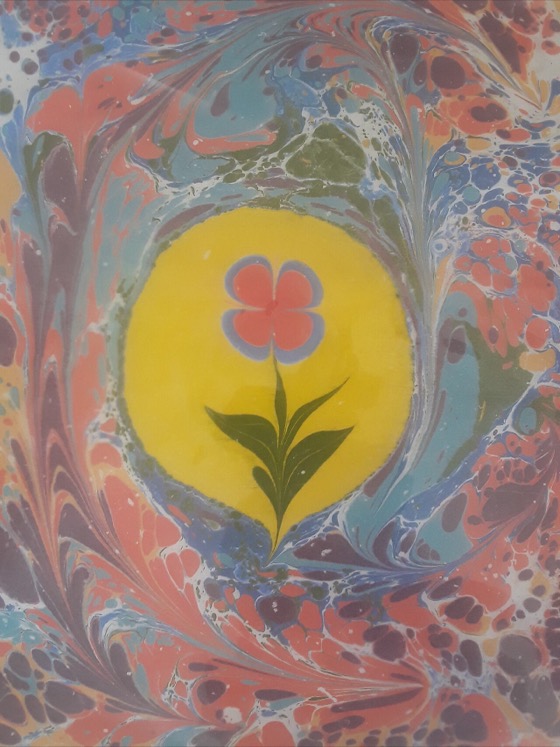
Görsel: Henrique Vicente (CC0), flickr
önce İngilizcesini oku
When most people think of tulips, they imagine the colorful fields of the Netherlands, with windmills turning in the background.
Yet the tulip is not originally Dutch at all.
Wild tulips grew in the mountains of Central Asia, and it was in the gardens of the Ottoman Empire, especially in Istanbul, that the flower first became a symbol of beauty and wealth.
Ottoman gardeners developed hundreds of new varieties, and the most admired ones had long, narrow petals that ended in a sharp point, like a needle.
The flower appeared everywhere, on tiles, carpets and fabrics, and even on the clothes of the sultans.
Its English name probably comes from the Turkish word "tülbent," because Europeans thought the flower looked like a turban.
In the Ottoman capital, new varieties were judged by experts before they were given an official name, and the most beautiful ones received poetic names that praised their color and shape.
Even today, the narrow shape of the traditional Turkish tea glass is often said to remind people of a tulip.
The tulip arrived in western Europe in the sixteenth century.
An Austrian ambassador who visited Istanbul is often said to have sent the first bulbs to Vienna, and from there they reached a botanist named Carolus Clusius.
In 1593, Clusius planted them in the university garden in Leiden, in the Netherlands, and the Dutch soon fell in love with the flower.
What happened next is one of the strangest stories in economic history.
In the 1630s, tulips became so fashionable that people began to buy and sell bulbs for enormous sums, often before the flowers had even grown.
At the height of this "tulip mania," a single rare bulb was reportedly worth as much as a house in Amsterdam.
The most expensive tulips had stripes and flames of color on their petals, but nobody could predict which bulbs would produce these patterns.
Centuries later, scientists discovered that the beautiful stripes were caused by a virus that tiny insects carried from plant to plant, and that the same virus made the bulbs weaker.
In February 1637, prices suddenly collapsed, and many buyers were left with bulbs that were worth almost nothing.
Historians still debate how serious the crisis really was, but the term "tulip mania" is used even today to describe prices that rise far above the real value of something.
Interestingly, the flower became fashionable once again in Istanbul about a century later.
The years between 1718 and 1730 are known as the Tulip Era, a time when the city's palaces and gardens were filled with tulips and evening garden parties were lit by candles placed among the flowers.
Today, the tradition lives on in the Istanbul Tulip Festival, when millions of tulips bloom in the city's parks every April and Emirgan Park becomes one of the most photographed places in the city.
So when you see a field of tulips in the Netherlands, remember that their story began much farther east.
Arkadaşınla paylaş
Bu yazıdaki gramer
Metinde gördüğün yapıları ücretsiz derslerle öğren.
Ücretsiz test
İngilizce seviyeni 5 dakikada öğren
Ücretsiz gramer testi: hangi derslerden başlaman gerektiğini söyler.
Testi çöz